
ExpandoThane

ExpandoThane™ Waterproofing System

ExpandoThane™ is an expanding polyurea-based waterproofing system for eligible roof and foundation applications. Its expanding characteristics are designed to help the material reach irregularities and small voids that can be difficult to address with a conventional coating alone.

ExpandoThane is evaluated as a waterproofing and restoration option for eligible commercial roofs and foundation areas. It is an expanding, polyurea-based system, so the first question is whether the existing surface can be prepared and whether the selected assembly is appropriate for the site. A coating is not a substitute for correcting damaged roofing, trapped moisture, or drainage problems.

How the roof system works

After needed repairs and surface preparation, the spray-applied expanding polyurea base forms a continuous, fully adhered waterproof layer across the roof and its details. A compatible UV-stable topcoat protects that layer from sunlight. The selected finish and application specifications depend on the roof and project conditions.

1. Assess and prepare
Inspect the roof, repair problem areas, and prepare a clean, dry surface.
2. Spray the expanding base
Apply the polyurea-based membrane across the field, transitions, and details.
3. Protect with a topcoat
Finish the approved assembly with a compatible UV-resistant coating.

ExpandoThane may be considered for eligible metal, modified bitumen, built-up, concrete, single-ply, and existing spray polyurethane foam roofs. That list is a starting point, not an approval: trapped moisture, damaged roofing, poor drainage, or weak adhesion may call for repairs or a different solution before coating.

How an ExpandoThane project is approached

Inspect the existing surface. We review the roof or foundation, seams, penetrations, wet areas, drainage, and the condition of the material already in place. That assessment determines whether restoration is practical and what repairs are needed first.

Prepare and apply the system. Cleaning, repairs, moisture checks, and adhesion testing may be required. Application method, coverage, thickness, and cure time follow the selected manufacturer system and the conditions on site. We do not use one specification for every project.

Choose the finish for the roof. Where the assembly calls for a top coating, silicone and acrylic have different strengths. Silicone can be a better fit for areas exposed to standing water, though it can collect dirt and be slippery when wet. Acrylic can be a cost-effective, reflective option on suitable surfaces, but ponding water and cold application conditions need particular attention. The roof, drainage, weather, and product requirements guide the choice.

For product literature and technical documents, visit the official ExpandoThane resources page. We confirm the current instructions and selected system for each job.

Completed ExpandoThane roof project
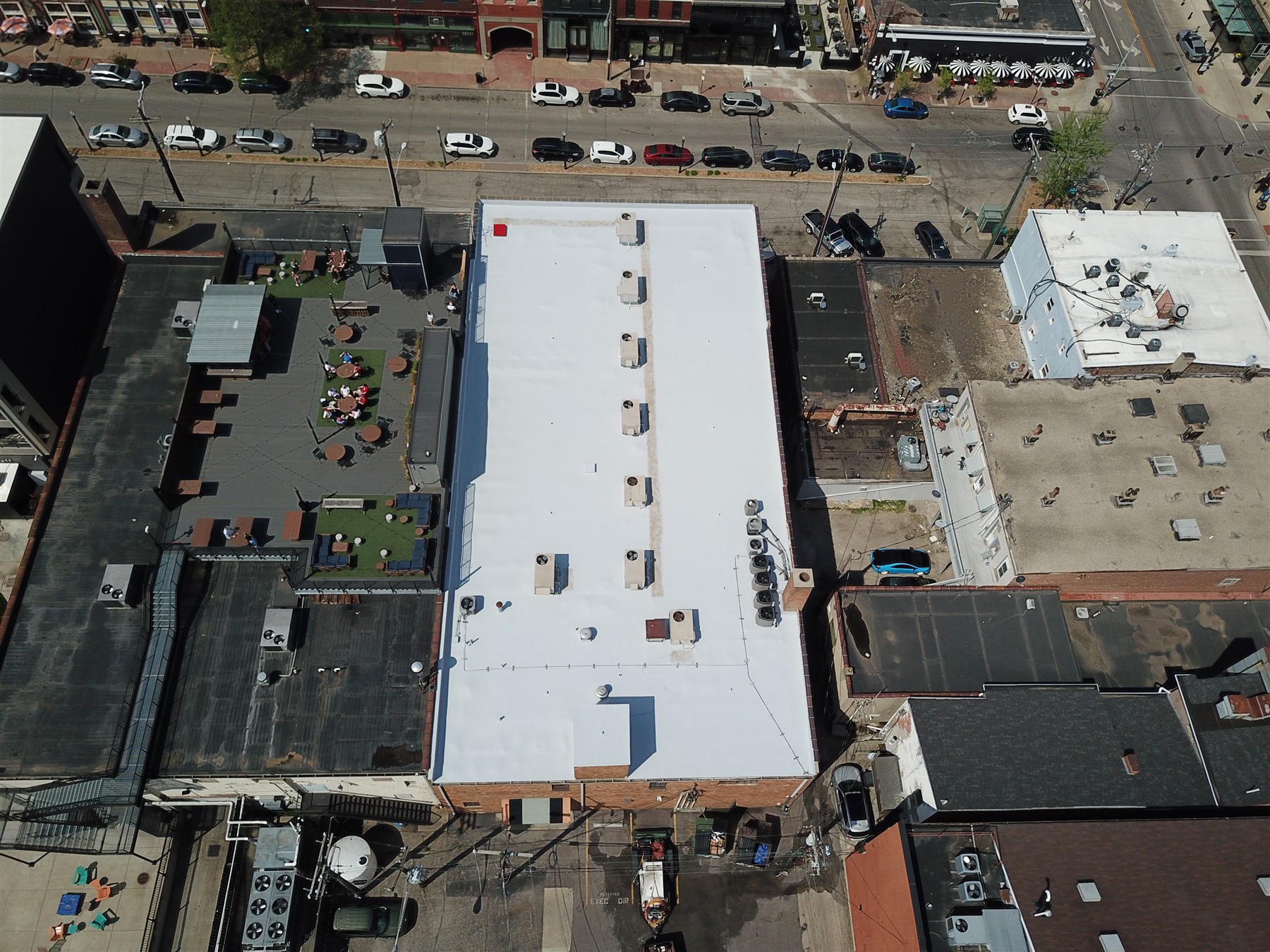
Aerial view of a completed white ExpandoThane commercial roof near Covington, Kentucky
Completed commercial roof near Covington, Kentucky. See this project in the gallery.

The photo shows the completed white roof beside a rooftop patio. The exact roof assembly and top coating for this job have not been documented here, so we have not attributed a specific finish to it.

System selection, surface preparation, and application details vary by substrate, drainage, exposure, and manufacturer requirements. Spray Foam San Antonio evaluates conditions and helps determine whether an ExpandoThane™ system is appropriate for the project.

See a completed ExpandoThane roof project near Covington, Kentucky, and explore our polyurea coatings.

Contact Spray Foam San Antonio to discuss your roof, foundation, waterproofing, or protective-coating project. Call (844) 445-2628 or request a quote to start the conversation.

ExpandoThane FAQs

What types of projects may be suitable for ExpandoThane?

The manufacturer describes ExpandoThane for roof restoration and waterproofing on several existing roof types, including metal, modified bitumen, built-up roofing, concrete, single-ply, and spray polyurethane foam. The roof type alone does not make a project suitable. We also look at wet or damaged material, drainage, attachment, details around penetrations, and whether the surface can be prepared to accept the specified system. Foundation waterproofing requires its own assessment and assembly.

Can ExpandoThane restore every existing roof?

No. Restoration starts with a sound roof that can support a new system. Saturated insulation, active leaks, failing materials, structural problems, or trapped moisture may need to be corrected first; in some cases replacement is the better choice. We inspect the existing assembly and discuss the repair work before recommending a coating. For San Antonio homeowners with leaking or damaged shingle roofs, our roofing partner, Rooftop Roofing and Remodeling, can help with shingle roof repairs. SpraySA can assess coating and waterproofing options when those systems are appropriate.

Why is surface preparation important?

The base coat needs a clean, dry, sound surface to bond to. Dirt, loose material, trapped moisture, or an unrepaired leak can undermine the new membrane even if the coating looks good at first. Preparation may include cleaning, removing unsuitable material, repairing seams and penetrations, and testing adhesion. The exact steps follow the roof condition and the selected manufacturer instructions.

How are thickness and cure time determined?

Those are specified for the actual roof and product assembly, rather than chosen from a single rule for every job. Substrate condition, roof details, temperature, humidity, and the selected topcoat can all affect application and return-to-service timing. We review the current manufacturer instructions and the job conditions before giving a project-specific specification or schedule.

Why does the roof system use a topcoat?

The expanding polyurea base is the waterproofing layer; the compatible topcoat protects it from sunlight and exposure. According to the manufacturer, this is a two-step system with a UV-resistant finish. Silicone and acrylic finishes can serve different roof conditions, so the choice depends on drainage, maintenance needs, weather during application, and the approved assembly. See the manufacturer’s system overview.