
Commercial Roof Coatings
and Restoration
Spray Foam San Antonio installs roof coating systems for qualifying commercial and industrial projects. Based in the San Antonio area, we evaluate projects across the country. The right system depends on the existing roof, its condition, drainage, details, and the building owner’s goals. We assess those conditions before recommending a coating or restoration approach.
Roof coating systems we install
High-solids silicone
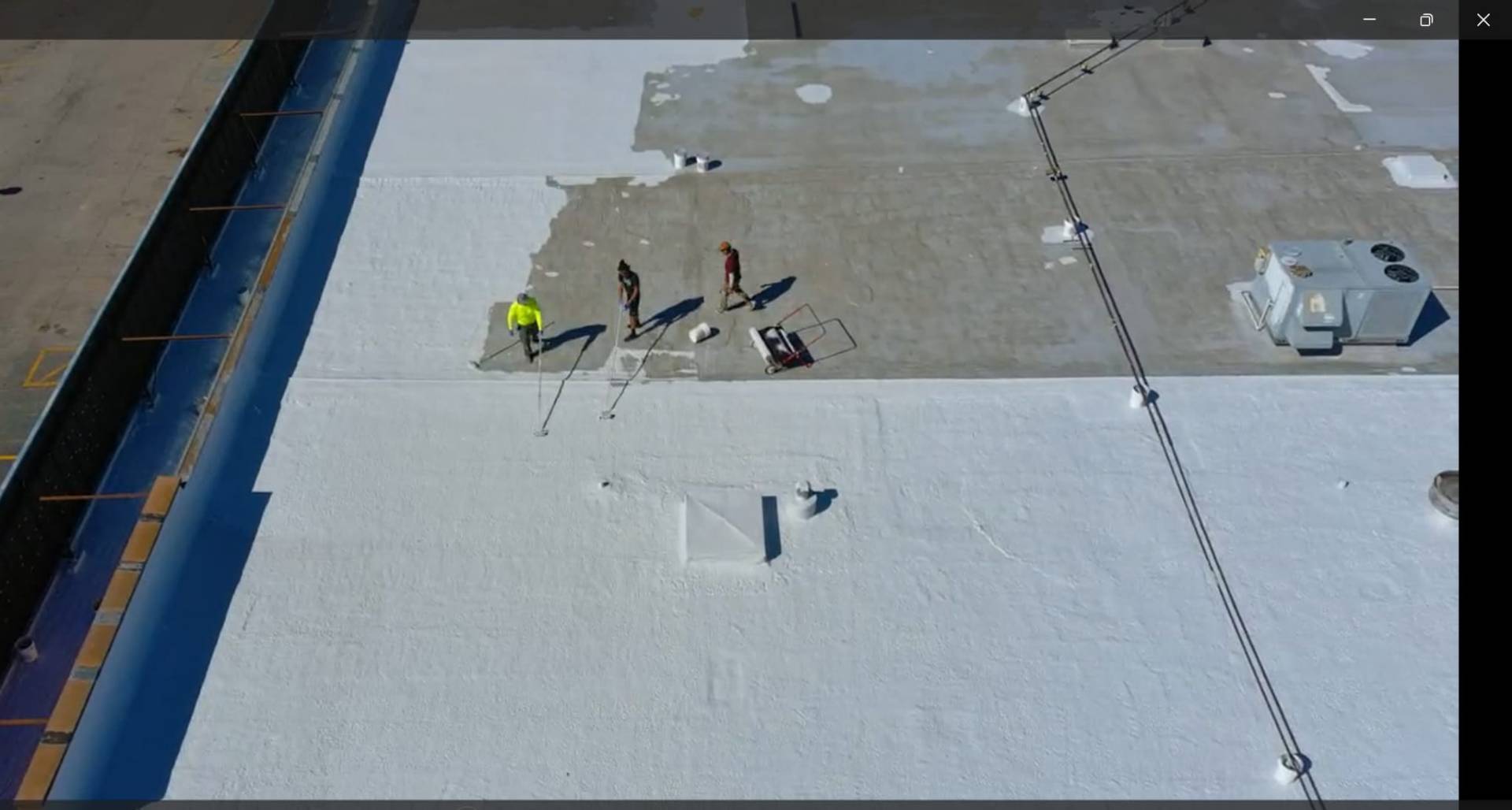
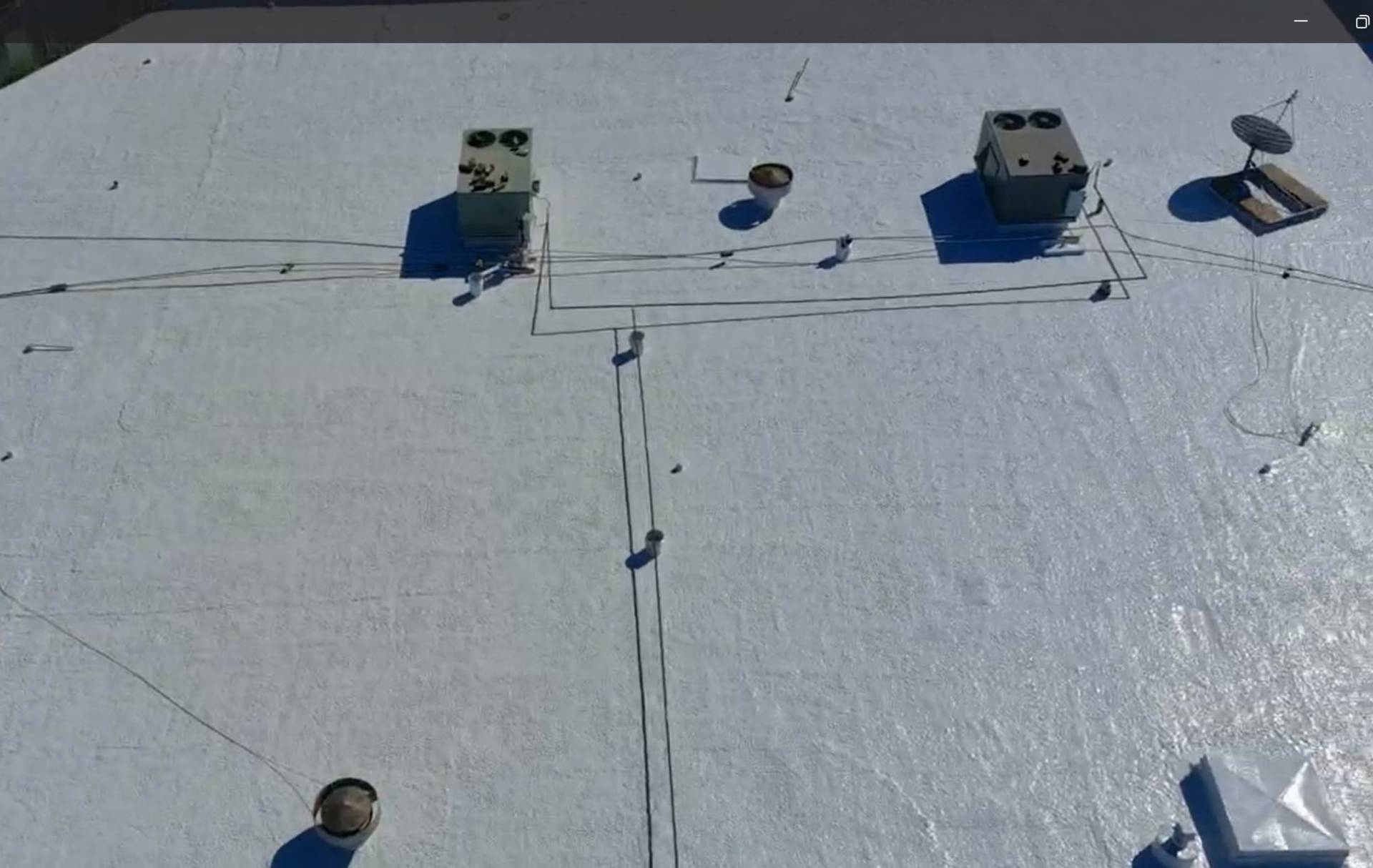
We install high-solids silicone systems specified at 50 mils or greater where appropriate. Silicone may be considered where an eligible roof needs a flexible, weather-exposed surface or has areas prone to standing water. The roof must be evaluated and prepared according to the selected manufacturer’s requirements. Coating thickness is confirmed for the actual job.
Three-layer acrylic
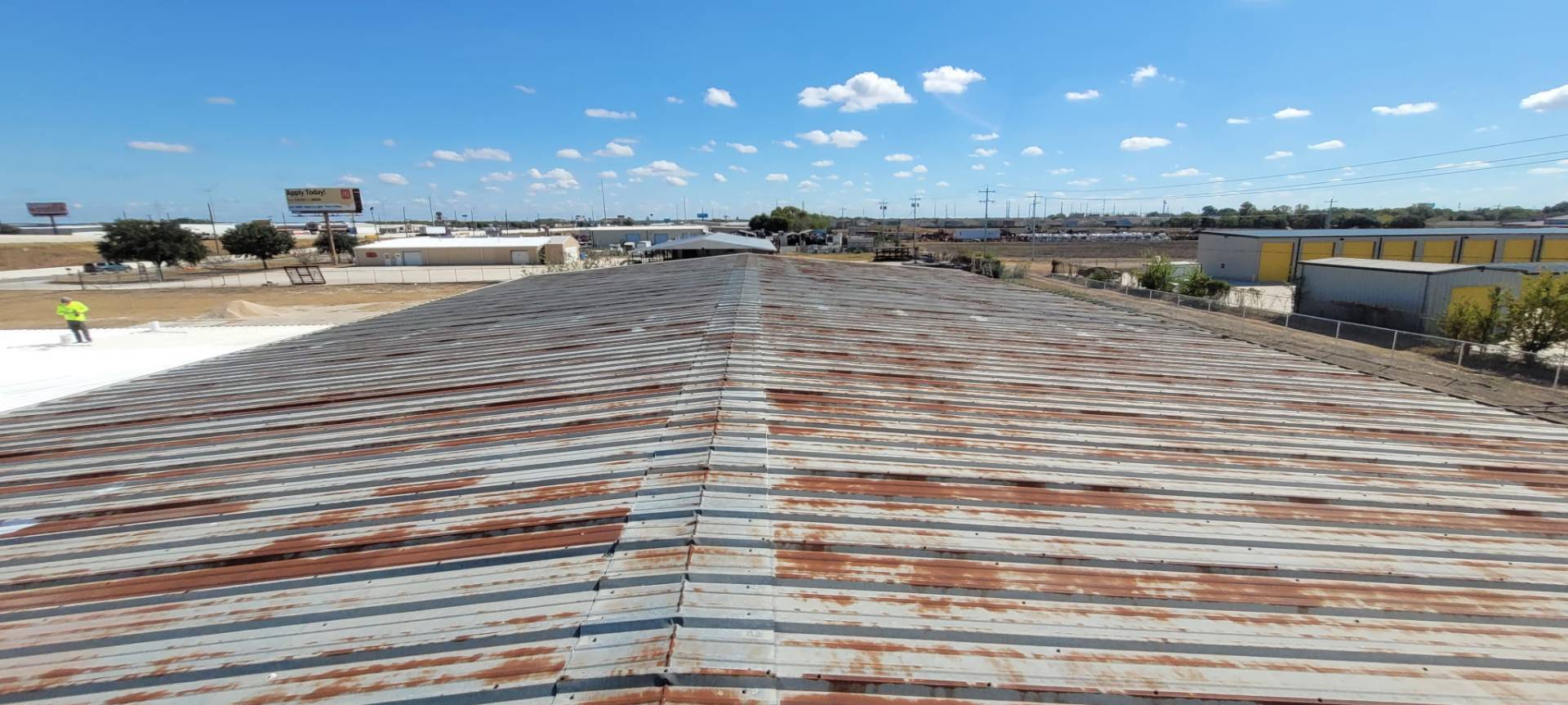
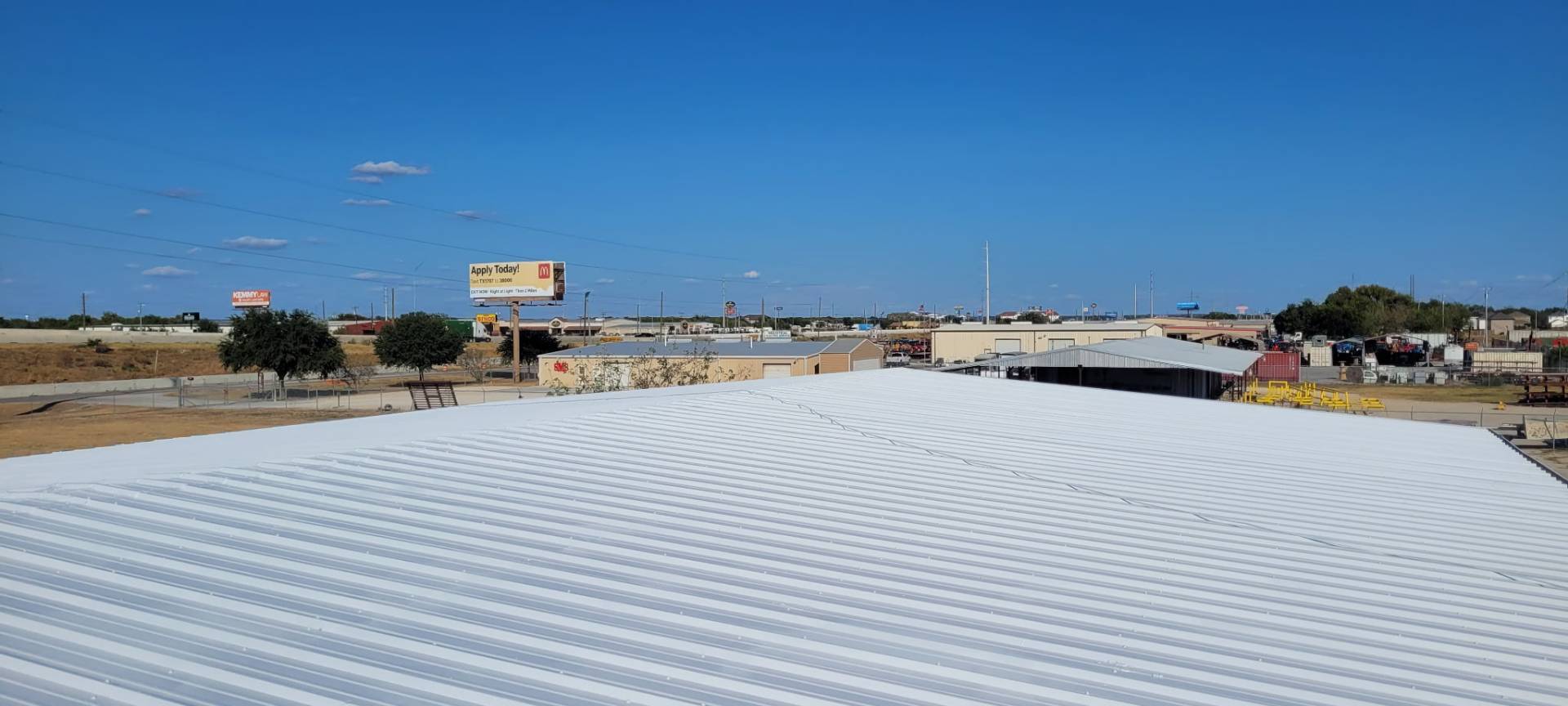
We also install three-layer acrylic systems, including on eligible metal roofs. Acrylic can be a practical choice when roof and drainage conditions suit the material. Metal roof restoration requires attention to the surface, seams, penetrations, and other details before the coating layers are applied. Products, reinforcement, preparation, and layer specifications depend on the selected system and roof conditions.
Urethane and elastomeric options
Our work also includes urethane-based systems, elastomeric roof coatings, roofing emulsions, and assemblies using polyester roofing fabric. These are different material and reinforcement options, not interchangeable names for one coating. We select the materials and details for the roof and the manufacturer’s specified assembly.
Silicone or acrylic: which is right for the roof?
Both can protect a suitable roof, but the choice depends on the existing assembly, drainage, condition, weather during application, and maintenance plan. Silicone generally handles prolonged ponding water better than standard acrylic systems, though it can collect dirt and become slippery when wet. Acrylic is often cost effective and reflective, but ponding water and application temperature limits vary by formulation. Modified acrylics may have different tolerances. We evaluate the roof and the selected product specifications rather than promise one material will suit every building.
How we approach a project
- Assess the existing roof. Review the assembly, surface condition, drainage, penetrations, seams, and areas needing repair.
- Choose the system. Match a coating or reinforced assembly to the roof and project requirements.
- Prepare and apply. Follow the selected system’s requirements for cleaning, repairs, priming, reinforcement, application, and thickness.
- Review the finished work. Inspection and maintenance requirements depend on the installed system and site conditions.
Roof coating questions
Can an existing roof be coated instead of replaced?
Often, yes, if the existing roof is a sound base for a coating. We inspect the surface, seams, penetrations, drainage, and areas that may hold moisture or need repair. Localized problems may be corrected before a coating system is installed. A coating will not fix wet insulation, a failing deck, or widespread deterioration; in those cases, repairs or replacement may be the better choice. An on-site assessment tells us whether restoration is practical.
Do you coat metal roofs?
Yes. The photos above show a rust-streaked metal roof and its finished three-layer acrylic system. Before coating, we check the panels, rust, fasteners, seams, and penetrations. Cleaning, repairs, priming, and reinforcement depend on the roof and the selected system’s requirements. A coating can protect a suitable metal roof, but it cannot make badly deteriorated panels sound again; those areas need to be addressed first.
Is a 50-mil silicone system right for every roof?
No. A high-solids silicone system at 50 mils or greater may suit a roof that needs a flexible, weather-exposed surface, including some areas prone to standing water. But thickness alone does not make a roof a good candidate. We still need to assess the existing assembly, drainage, adhesion, damaged material, and how the roof is used and maintained. Silicone will not correct wet insulation or a failing roof structure. We choose the system and specified thickness only after evaluating the roof and the applicable manufacturer requirements.
Discuss your roof
Tell us about the building, existing roof, and what needs attention. We can review whether a roof coating system is a practical option.
Prefer to talk? Call 210-445-2461.
For related systems, see polyurea coatings and ExpandoThane. See also our project gallery.