
Polyurea is a fast-curing protective coating system used where a durable, seamless surface is needed. Based in San Antonio, Spray Foam San Antonio serves qualifying residential, commercial, and industrial projects nationwide. The material can be used for different kinds of protection, but the formulation and preparation have to fit the actual surface and conditions.
What a Polyurea Coating Does
A spray-applied polyurea system forms a continuous coating over a properly prepared substrate. Depending on the product and assembly, a project may call for waterproofing, resistance to wear, corrosion protection, or a protective lining. The finished system is more than the coating alone: repairs, surface preparation, primer, thickness, and detailing all affect performance.
Polyurea is often chosen when a project needs a fast-curing material, but fast cure does not eliminate preparation or guarantee an immediate return to service. We review the selected product and site conditions before setting an application schedule.
How a Coating Project Comes Together
1. Assess
Identify the substrate, existing damage, exposure, movement, moisture, access, and the protection the project needs.
2. Prepare
Plan cleaning, repairs, profiling, testing, and primer requirements for the surface and selected system.
3. Apply
Spray the specified material and detail edges, transitions, penetrations, or joints as the job requires.
4. Review
Check the finished work against the project requirements and provide guidance for use and maintenance.
Where Polyurea Coatings Can Help
Depending on the system selected and the condition of the surface, polyurea may be considered for waterproofing, abrasion resistance, corrosion protection, and protective lining applications. Compatible substrates can include properly prepared concrete, metal, wood, and foam. Existing coatings, moisture, damage, and required approvals must be evaluated first.
- Roof and waterproofing systems
- Concrete floors, parking areas, and decks
- Tank, pipe, and containment linings
- Industrial equipment and high-wear surfaces
- Joint filling, sealing, and repair details
See our spray polyurea applications page for more detail on each use. For silicone, acrylic, and other roof restoration options, see commercial roof coatings.
Pool Coating Work
These photos show the same pool before work, during coating, and after completion. The right system depends on the surface, use, and project requirements.
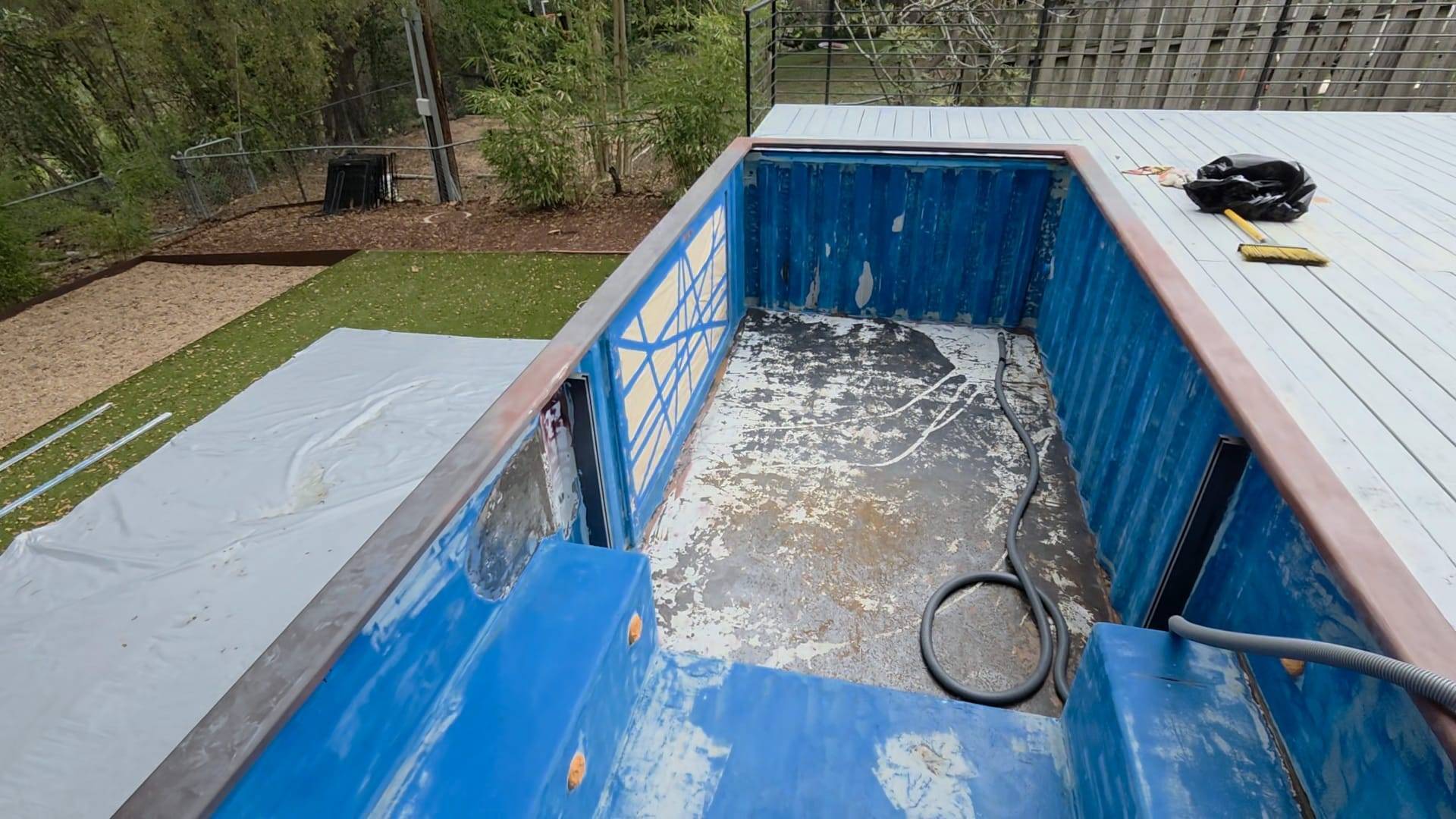
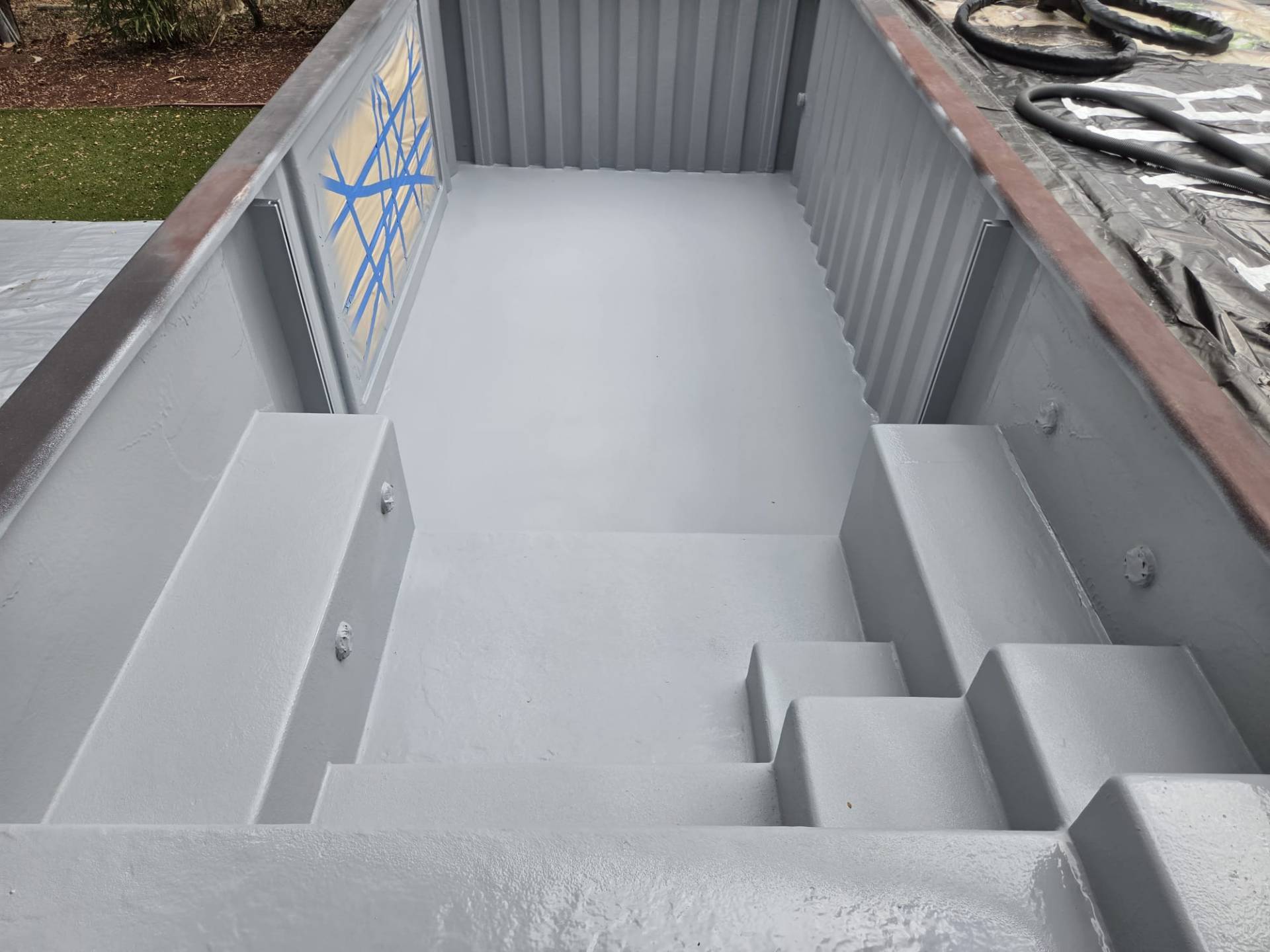
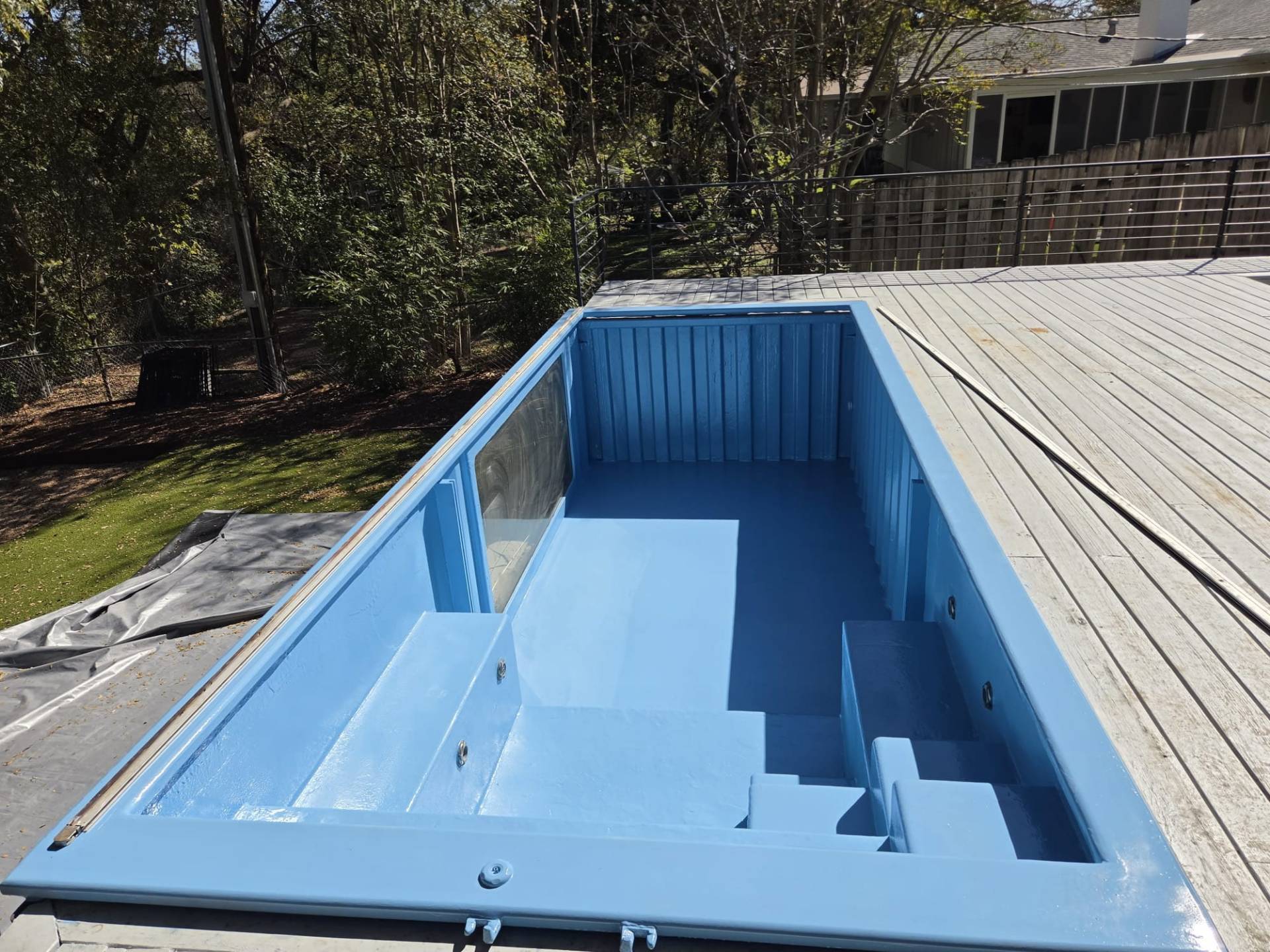
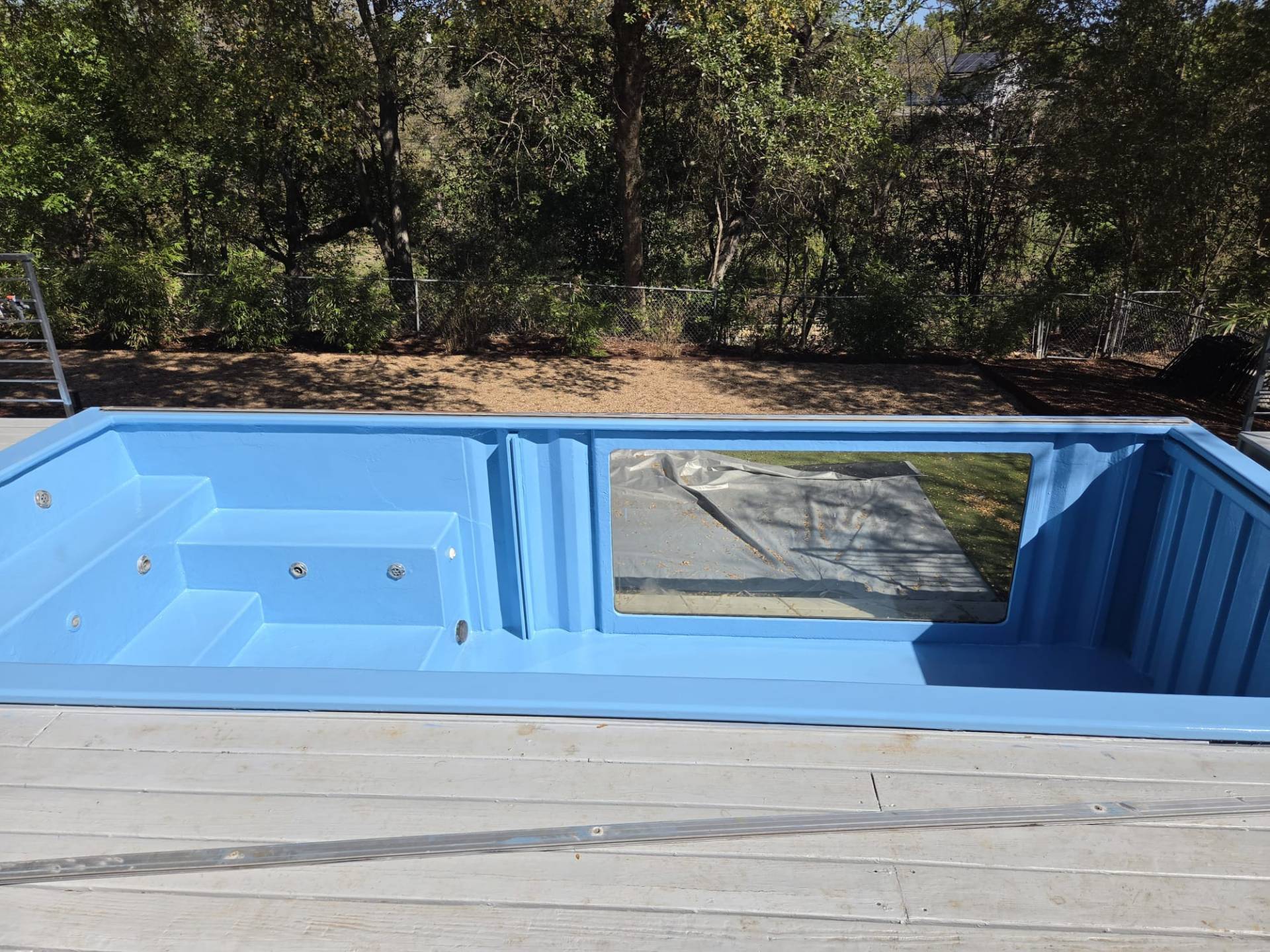
See the Pool Coating Completion Video
What Determines the Right System?
We start with the surface and the result the owner needs. A floor exposed to traffic, a roof detail exposed to weather, and a tank lining exposed to chemicals do not call for the same formulation. Surface condition, expected movement, moisture, temperature, UV exposure, chemicals, abrasion, and access all affect the choice. Thickness, primer, finish, and maintenance requirements are then matched to the selected manufacturer’s system.
A coating cannot repair a structural failure or make an unsuitable substrate sound. If the surface needs repair, removal of an old coating, drainage work, or another approach, that needs to be addressed before coating.
Request a Project Review
Tell us what needs protection, what the surface is made of, how it is used, and what conditions it faces. Photos, drawings, or specifications are helpful when available. Call (844) 445-2628 or request a project review to discuss whether polyurea is suitable.
Polyurea Coating FAQs
What surfaces can receive a polyurea coating?
Polyurea systems may be used on properly prepared concrete, metal, wood, foam, and other compatible substrates. The existing surface and selected product must be evaluated. Old coatings, moisture, contamination, and movement can change the preparation or make a different approach more appropriate.
Why does surface preparation matter?
A coating needs a sound surface and the right bond to perform. Contamination, moisture, damage, and weak existing material can interfere with adhesion. Cleaning, repairs, profiling, priming, and testing depend on the substrate and selected manufacturer system.
How quickly does polyurea cure?
Polyurea is known for fast curing, but working time and return-to-service timing vary. Product formulation, thickness, temperature, humidity, and the type of traffic or exposure all matter. We use the selected product’s requirements and job conditions to plan the schedule.
What are common polyurea uses?
Uses can include waterproofing, floors and decks, containment linings, equipment protection, roofing details, joint work, and high-wear surfaces. Each use has different exposure and performance needs, so we match the system to the project rather than treating every application alike.
What maintenance is required?
Maintenance depends on exposure and use. Periodic inspection helps identify wear or damage early. Cleaning methods must be compatible with the coating, and damaged areas should be evaluated and repaired according to the system requirements.
Discuss Your Polyurea Project
Tell us about the surface, site conditions, and the protection you need. We can review whether a polyurea system is a good fit.
Prefer to talk? Call (844) 445-2628 (COAT).
Explore more uses on our spray polyurea applications page.